Learn
Fall Pest-Proofing in Council Bluffs
Fall is the busiest pest season in Council Bluffs, and it is the one you can get ahead of. When the first cold nights arrive, boxelder bugs, Asian lady beetles, cluster flies, crickets, and mice all start looking for a warm place to spend the winter, and your house is the target. Here is why the fall push happens here, and the sealing and timing that keep it outside.
Why fall is the pest season here
Council Bluffs has a real four-season climate, and the swing from a warm humid summer to a cold snowy winter is what drives the fall pest push. Through the summer, boxelder bugs feed on maple and boxelder seeds, lady beetles work the fields, and mice live out on the corn and soybean ground that rings the county. When the nights turn cold, all of them face the same problem: they cannot survive an Iowa winter in the open, so they move toward the warmth of buildings.
A house radiates heat, and its sunny south and west walls are the warmest surfaces around on a cool fall afternoon. That is why the overwintering insects cluster there first, then work their way into any gap, and why the mice leaving the harvested fields head for the same foundations. The pressure is seasonal and predictable, which is exactly what makes it worth handling before it starts rather than after the insects are in the walls.
The five that come in
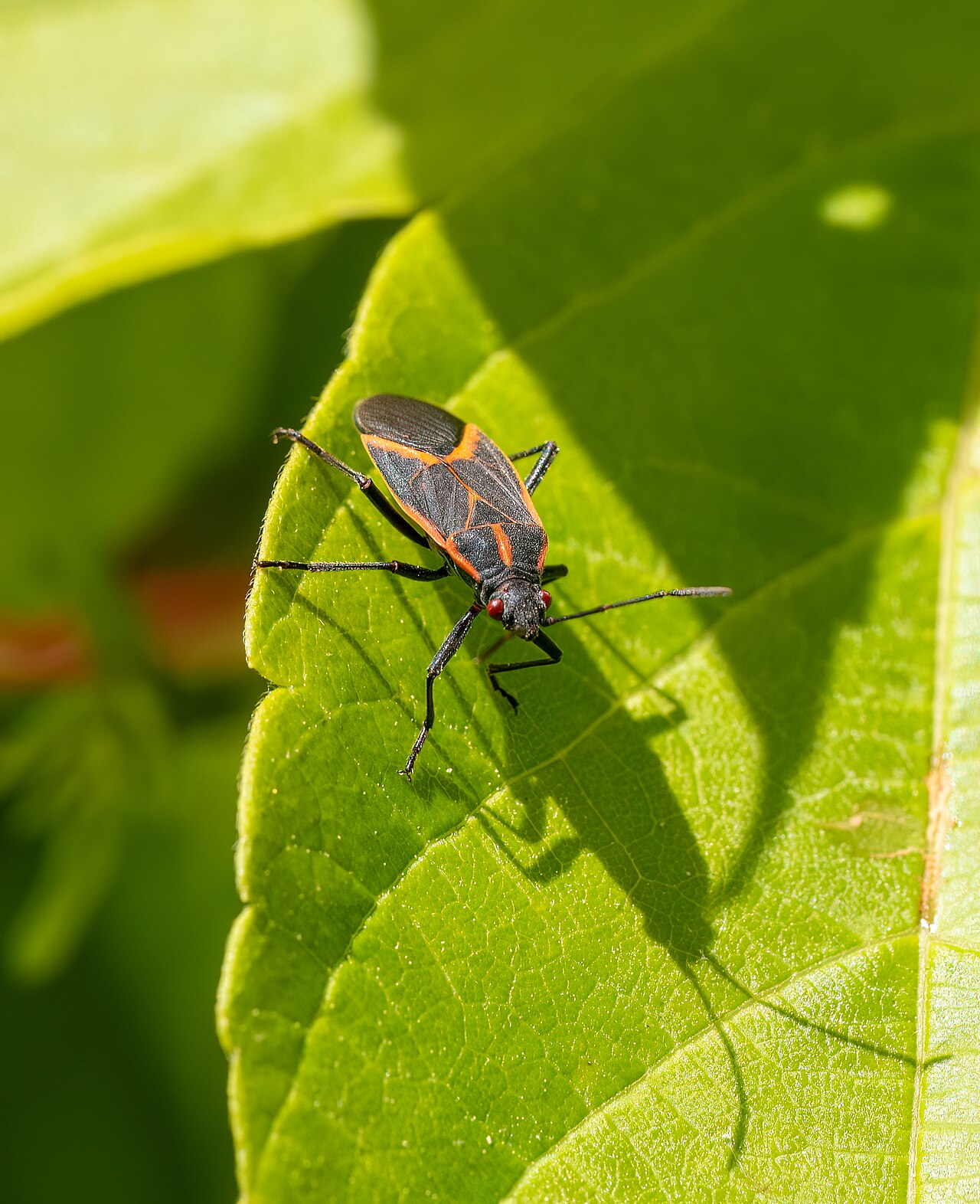
Boxelder bugs are the black and orange insects that mass on warm walls, then squeeze into siding gaps and around windows to overwinter. Asian lady beetles are the orange ladybug lookalikes that do the same, clustering at windows and in attics and sometimes staining surfaces when disturbed. Cluster flies are the sluggish gray flies that gather in upstairs rooms and reappear at the glass on warm winter days. Crickets and other fall invaders push toward the warm foundation as the cold sets in.
Mice are the fifth and the one that does the most inside. A house mouse needs a gap barely the width of a pencil, and when the fields are cut it moves toward the warm buildings by the hundreds. Once in, it nests in wall voids and behind appliances and breeds through the winter in the heated house. The insects are a nuisance that trickles into living space; the mice are the ones that contaminate food and chew, so both are worth sealing out.
The sealing that actually works
Pest-proofing is mostly about closing the gaps these pests use, and the same sealing keeps out insects and mice alike. Walk the exterior and seal around windows and doors, the siding gaps, the sill plate where the house meets the foundation, and every utility penetration where a pipe, wire, or vent enters. Repair torn window screens, replace worn door sweeps, and screen or cap gaps at the roofline, soffits, and vents. For mice specifically, use materials they cannot chew through and pay attention to the garage, which is a common entry.
The other half is the exterior, before the pests settle in. A perimeter treatment on the sunny walls, eaves, and entry gaps in late summer or early fall stops the overwintering insects at the surface, and sealing plus trapping ahead of the first freeze heads off the mice. Inside work does far less once they are in the walls, so the whole point is to close the building before the wave arrives.
Timing it right
The window that matters is late summer through early fall, before the first hard cold nights push the insects onto the walls and the mice off the fields. Get the sealing and the exterior treatment done in that window and the wave hits a closed, treated building. Miss it, and the realistic plan becomes managing stragglers indoors all winter and doing the prevention work the following fall.
For a home against the Loess Hills, near the river bottoms, or backing onto farm ground, this is a yearly routine rather than a one-time job, because the outdoor pressure returns every autumn. Handling it on schedule is what keeps each winter from starting over, and it is far less work than fighting boxelder bugs at the window and mice in the walls once they are already in.
References
Have this problem now? Call 712-220-7876 and describe it.
Related services
Get this one handled
Talk to a local exterminator
Call and describe your pest problem
Tell us the pest, the property and how long it has been going on. You get straight answers and an honest estimate before any work starts. No obligation.
Calls answered 7am to 9pm, seven days a week